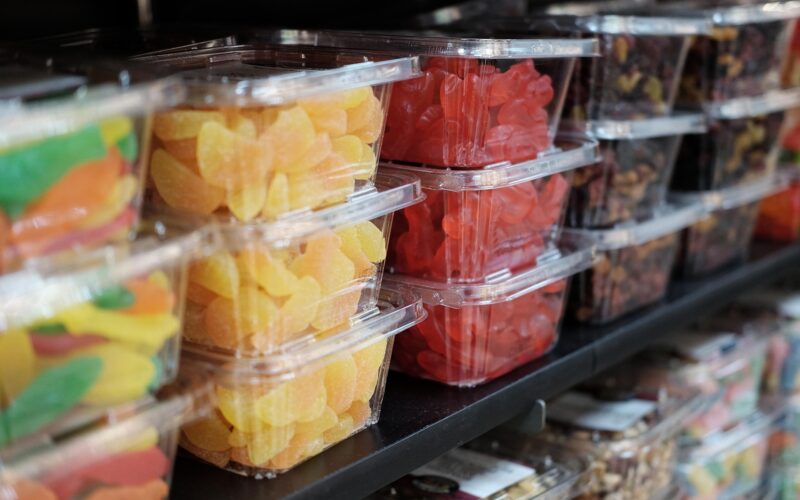
Plastic has long been celebrated for its versatility, durability, and cost-effectiveness, becoming an integral part of modern supply chains. However, the environmental toll of single-use plastics has prompted a global re-evaluation of how we manage this pervasive material. A circular economy offers a compelling framework to address these challenges, shifting the focus from waste disposal to resource retention. In this system, plastic packaging is designed to be reused, repaired, or recycled, ensuring it never becomes pollution. Transitioning to this model requires systemic changes across industries, involving material scientists, manufacturers, policymakers, and consumers.
Shifting away from a linear model
For decades, the dominant economic approach has been a linear model of taking resources, making products, and eventually disposing of them. This take-make-dispose mentality has led to overflowing landfill sites and severe marine pollution, with millions of tonnes of plastic leaking into natural habitats each year. Moving towards a circular economy means fundamentally rethinking the lifecycle of packaging. Instead of treating plastic as a disposable commodity, it must be viewed as a valuable resource that remains in circulation for as long as possible. This paradigm shift demands that packaging is designed from the outset with its end-of-life stage in mind.
Material innovation is at the forefront of this transformation, with researchers developing new polymers that are easier to break down and recycle without losing their structural integrity. Bio-based plastics derived from renewable resources such as corn starch and sugarcane are gaining traction, offering a lower carbon footprint compared to traditional fossil-based plastics. Additionally, companies are exploring ways to simplify packaging designs by avoiding multi-layered materials, which are notoriously difficult to separate and process. By utilising single-material formats, manufacturers can significantly increase the likelihood that their packaging will be successfully sorted and recycled into high-quality secondary raw materials.
Improving recycling infrastructure
Even the most sustainably designed packaging will fail to achieve its environmental objectives if the infrastructure to collect and process it is inadequate. Currently, recycling rates for plastic packaging remain stubbornly low in many parts of the world due to fragmented collection systems and insufficient processing capacity. To support a circular economy, massive investments are required to harmonise waste management practices and upgrade sorting facilities. Advanced technologies, such as artificial intelligence and optical sorters, are beginning to play a crucial role in identifying and separating different types of plastics with greater accuracy, thereby improving the purity and value of the recycled output.
Government regulations and policy frameworks are equally vital in driving systemic change and holding stakeholders accountable. Extended producer responsibility schemes are being implemented across various regions, requiring manufacturers to bear the financial and physical responsibility for their packaging after it has been used by the consumer. This approach not only provides the necessary funding for recycling infrastructure but also creates a strong economic incentive for companies to design more sustainable, easily recyclable products. Furthermore, implementing clear and standardised labelling can help guide consumers, ensuring that materials are disposed of correctly and contamination in recycling streams is minimised.
Looking towards a sustainable horizon
The successful transition to a circular economy relies heavily on shifting consumer behaviour and fostering a culture of environmental responsibility. Shoppers are increasingly demanding sustainable alternatives, prompting retailers to adopt refillable stations, deposit return schemes, and packaging-free aisles. These innovative business models encourage reuse and reduce the overall volume of virgin plastic entering the market. While the journey towards a fully circular system is complex and fraught with logistical hurdles, the collective efforts of governments, corporations, and individuals are steadily paving the way for a more sustainable future. By embracing innovation and prioritising resource efficiency, society can mitigate the environmental impact of plastic packaging and build an economy that works in harmony with the natural world.