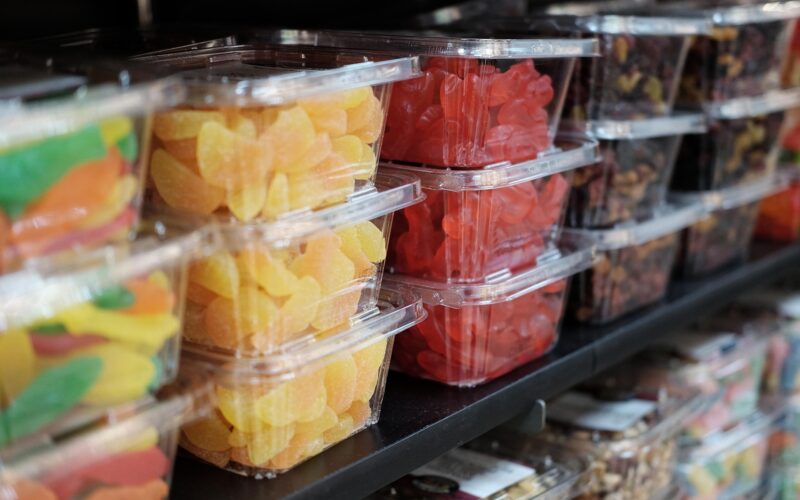
The global push to reduce waste has sparked huge changes in material science. This is especially true for how we make and throw away everyday items. For decades, traditional plastics have offered unmatched strength and low costs. However, their lasting nature causes serious damage to our natural ecosystems. Buyers and governments now demand new options that work well but do not harm the planet forever. This shift drives massive funding into materials that return to nature safely or can be recycled forever. Looking at these new methods shows how the packaging sector is transforming its approach to waste.
The science behind biodegradable materials
Biodegradable and compostable plastics represent a major step forward in sustainable design. They use renewable resources rather than fossil fuels. Polylactic acid, made from fermented plant sugars like corn starch, currently leads the market. When placed in industrial composting sites, this material breaks down into water, carbon dioxide, and natural matter within a few months. Another new class of materials is polyhydroxyalkanoates, which microbes make by eating organic waste. These specific biopolymers offer a clear advantage. They can break down in ocean environments and home compost bins. This provides a strong solution to the widespread problem of ocean pollution.
While these biological options are very promising, their success relies on correct disposal methods. A common myth is that biodegradable packaging will simply vanish if thrown into a standard hedge or woodland. In reality, most of these advanced materials need the high heat and specific microbes found in commercial compost centres to break down quickly. Without access to the right facilities, these items often end up in normal landfills. There, a lack of oxygen stops them from breaking down as they should. Therefore, creating better waste collection networks is just as vital as making the bioplastics themselves.
Advancements in recyclable packaging
Alongside biodegradable options, the industry is revolutionising how normal plastics are recycled. They are moving past the strict limits of standard mechanical processing. Mechanical recycling often lowers the quality of the plastic with each cycle. This eventually creates a material that companies can no longer use. Chemical recycling provides a clever alternative by breaking down plastic waste at a molecular level. Through special heating processes, mixed plastics turn back into their original chemical building blocks. Manufacturers can then use these raw parts to create brand new plastic. This theoretically allows materials to be recycled an endless number of times.
Another key development in recyclability is the shift towards mono-material packaging. Historically, food pouches have relied on complex layers made from different plastics and metal foil. These layers create barriers against moisture and oxygen to keep food fresh. Because these layers are incredibly hard to separate, the resulting packaging is almost impossible to recycle. Packaging engineers have recently developed advanced mono-materials that use a single type of plastic. This single plastic is engineered to provide those exact same protective barrier properties. Since the entire package consists of one material, recycling centres can process it easily with standard plastic waste.
Looking towards a sustainable future
The move towards a circular economy requires a broad approach. Both biodegradable and advanced recyclable packaging play essential roles in this journey. Material improvements certainly provide the foundation for a more sustainable consumer market. However, technology alone cannot solve the waste crisis. Governments must invest in upgrading waste management systems to handle compostable bioplastics and chemical recycling on a massive scale. Furthermore, educating the public on how to sort these new packaging types is vital. This ensures these materials reach the correct waste streams. By combining new material science with better public awareness, society can finally conquer plastic waste.